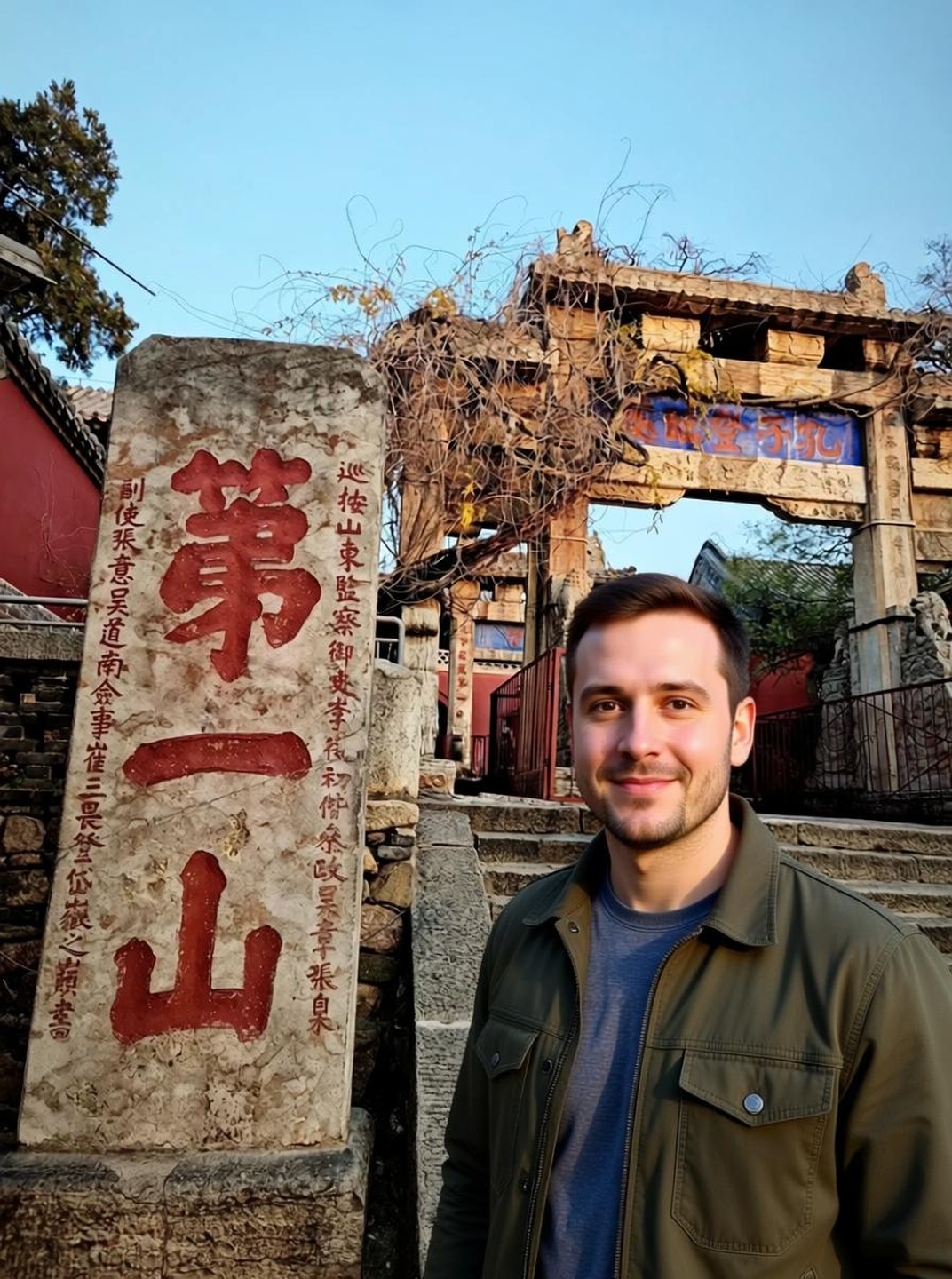
Climbing Mount Tai at Night: A Spiritual Journey to China's Most Sacred Sunrise | Personal Trekking Guide
This is not just a hike; it’s a pilgrimage. Experience Mount Tai through a transformative midnight climb up the ancient steps, past imperial stelae, to earn the legendary sunrise over a sea of clouds. A personal account of fatigue, faith, and ultimate perspective on China's holy mountain.
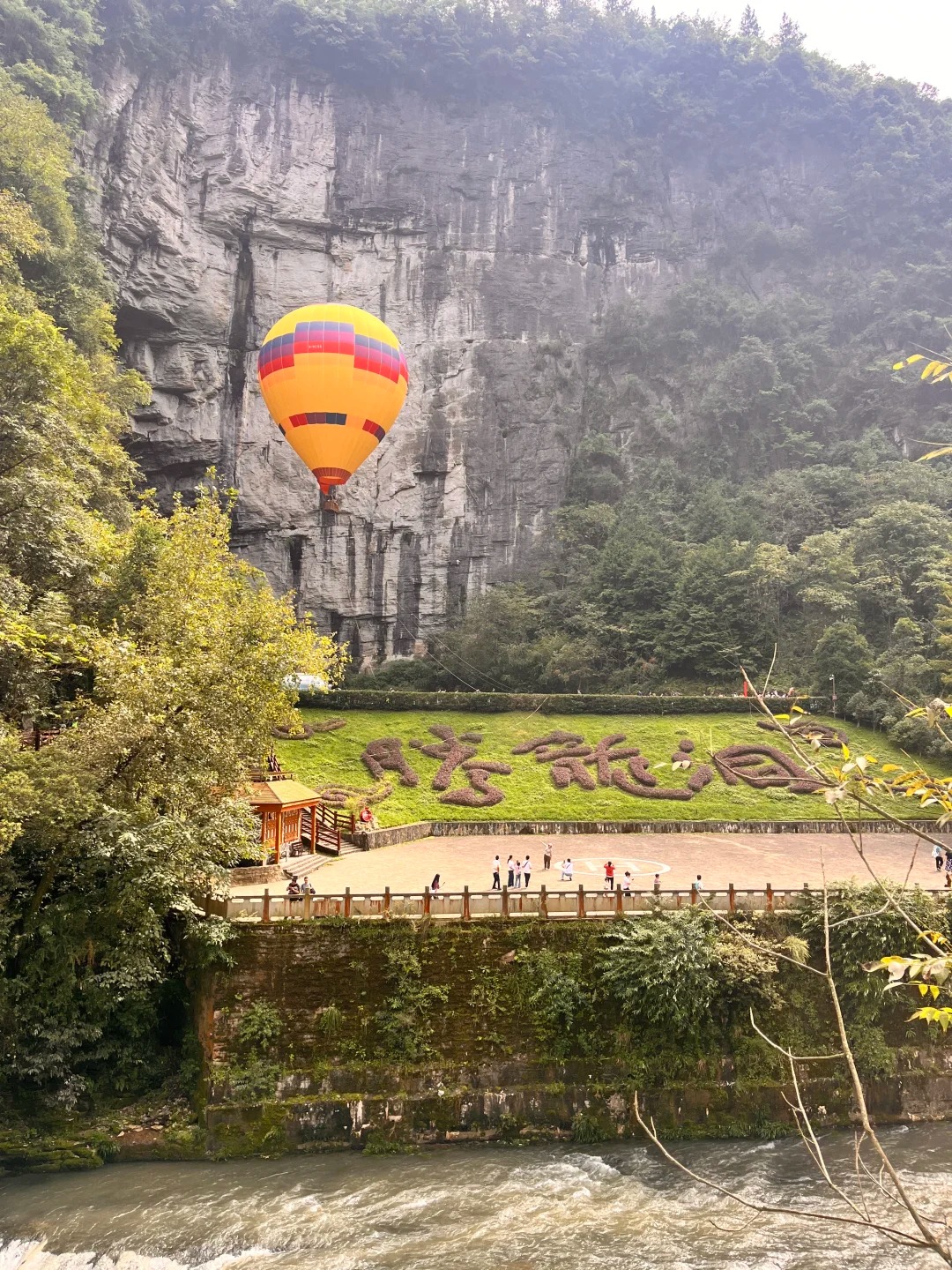
Tenglong Cave Adventure: Hot Air Balloons and Laser Shows in Asia's Largest Cave
This article explores the surreal experience of Tenglong Cave, one of the world's largest karst caves. The narrator highlights the immense scale of the cave entrance and the bizarre, unforgettable activity of riding a hot air balloon inside the cavern. The story culminates with a description of the "Tujia Spirit" laser and dance performance held deep within the cave, illustrating the unique blend of ancient geology and modern entertainment spectacle that defines this attraction.
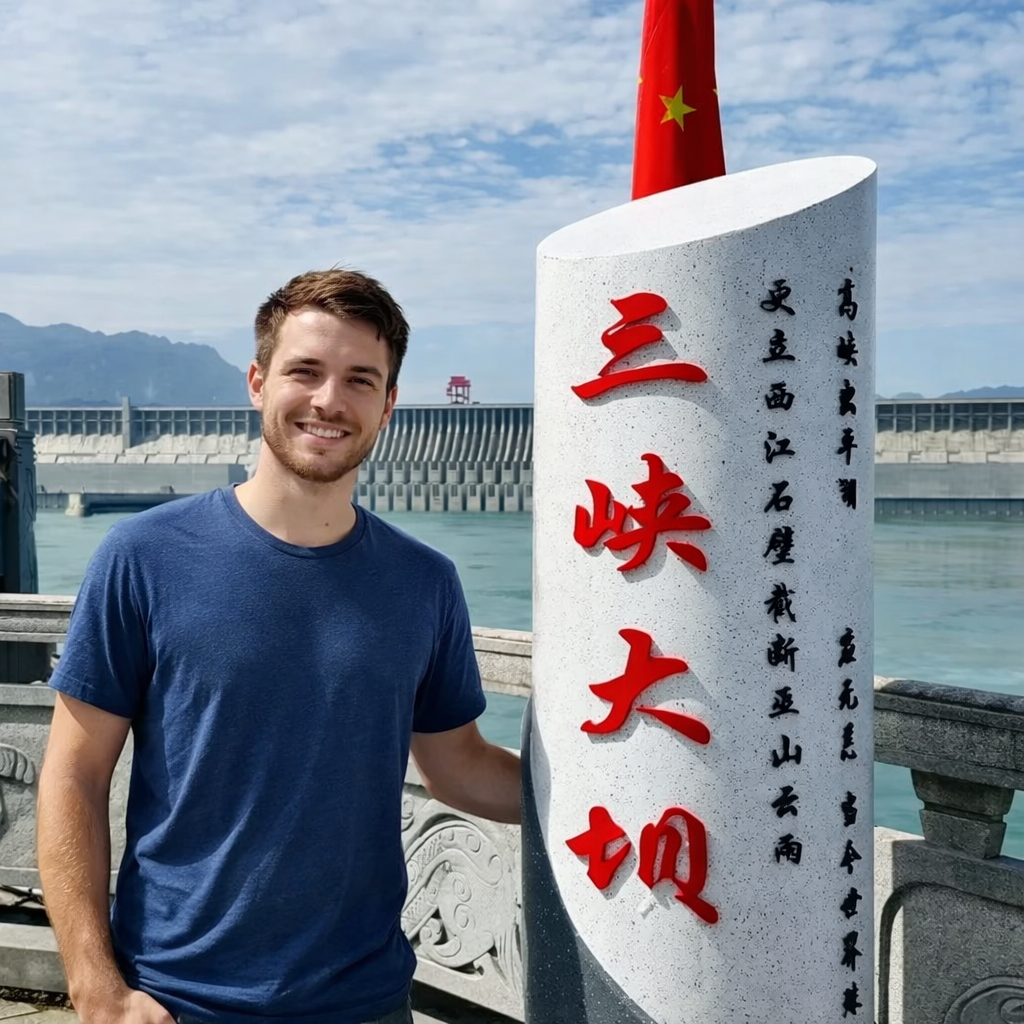
Three Gorges Dam Tour: Ship Lift Experience and Best Viewing Platforms
This article offers a firsthand perspective on visiting the colossal Three Gorges Dam. The author describes the overwhelming scale of the structure from the 185 Platform and narrates the unique experience of riding the world's largest ship lift—an "elevator for boats." The story balances the engineering marvel with the sensory power of the roaring spillways, providing a nuanced look at this symbol of modern industrial power and its impact on the Yangtze River landscape.

The Grand Canal in Jiangsu: Lifeblood of Suzhou, Yangzhou & China's History
This reflective piece connects experiences across multiple Jiangsu destinations (Suzhou, Yangzhou, Tongli) through the unifying theme of the Grand Canal. It contrasts the canal's modern role as a working industrial highway with its historical function as the economic and cultural engine of the region. The article positions the canal not as a standalone attraction but as the essential, living context that explains the prosperity and layout of the cities and water towns along its banks, offering a deeper historical perspective for travelers.
Visiting Tiger Hill in Suzhou: History of the Leaning Pagoda, Sword Pool & Scenic Park
This article focuses on the iconic experience of visiting Tiger Hill in Suzhou, with its central attraction: the millennia-old Leaning Cloud Rock Pagoda. It describes the atmospheric walk up the historic hill, past sites like the Sword Pool, and the profound impression of seeing the famously tilted pagoda. The narrative weaves together the location's ancient legends with the tangible history of the structure itself, presenting Tiger Hill as a microcosm of Suzhou's long and layered past, crowned by its resilient, sloping symbol.
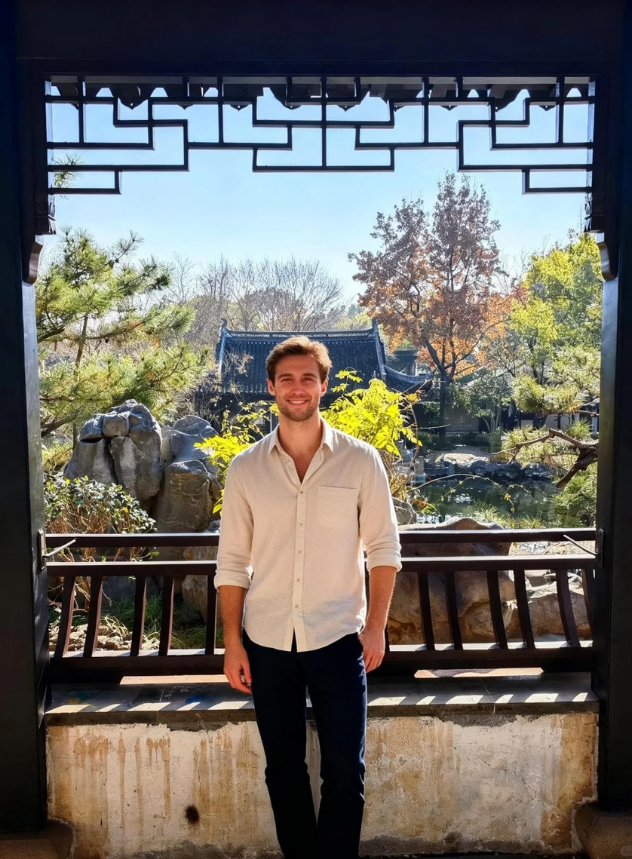
Tongli Ancient Town Suzhou: A Complete Travel Guide to the Water Village's Charm & Secrets
This personal travelogue paints an intimate portrait of Tongli Ancient Town, focusing on its authentic, lived-in atmosphere rather than its "water town" cliché. It describes a quiet morning exploration of its canals and bridges, interactions with residents, and a visit to the contemplative Tuisi Garden. The article emphasizes Tongli’s role as a retreat from modern haste, capturing the rhythms of daily life that continue amidst its ancient architecture. It’s a guide for travelers seeking to experience the serene, unvarnished soul of a Jiangsu canal town

Discover Nanjing Confucius Temple (Fuzimiao): A Vibrant Guide to Culture, Food & Qinhuai River
This vivid account explores the dynamic duality of Nanjing's Confucius Temple (Fuzimiao). It describes the stark contrast between the serene, scholarly temple grounds and the exhilarating chaos of the surrounding markets, snack streets, and Qinhuai River scenery. The narrative captures the sensory overload of sights, sounds, and smells, emphasizing the location's role as a living cultural hub where ancient reverence and modern leisure coexist seamlessly. It’s a guide to experiencing both the spiritual heritage and the festive energy of one of Nanjing's most iconic districts.
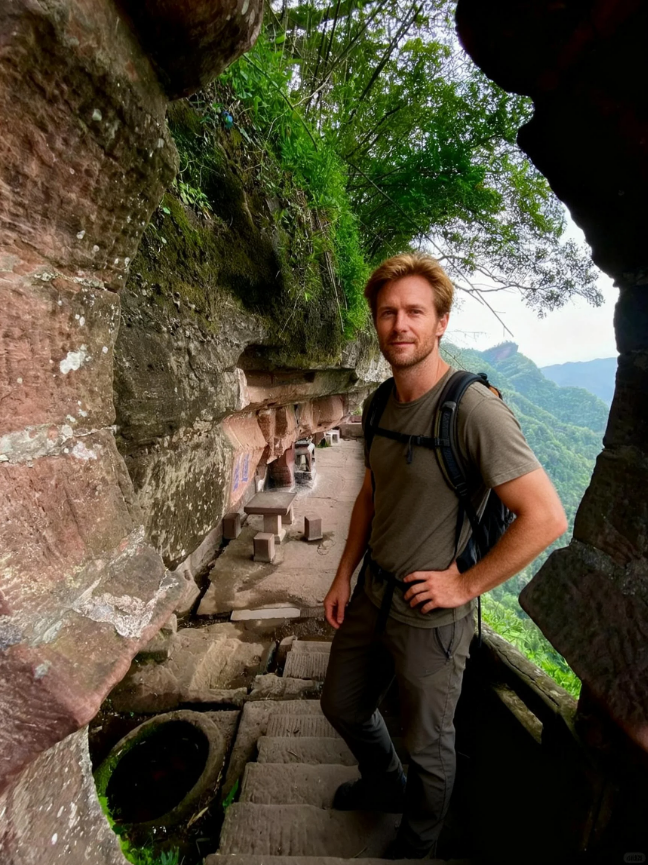
Qiyun Mountain: A Journey Through China’s Sacred Taoist Mountain of Red Sandstone
This personal narrative takes readers on a two-day journey through Qiyun Mountain, a sacred Taoist mountain in Xiuning County, Huangshan City, Anhui Province. Known for its striking red sandstone peaks (with evocative names like Giant Turtle Peak) and 1,600-year-old Taoist heritage, the mountain offers a subtle, magical charm. The author explores the mountain with a local guide, visiting the Tang Dynasty Yuquan Temple (a Taoist scholar’s retreat), hiking to the sacred Tianmen Cave (a natural archway linking heaven and earth), and enjoying panoramic views from Giant Turtle Peak. The narrative includes authentic experiences: staying in a local family guesthouse, savoring mountain-grown cuisine (braised chicken with mushrooms, herbal soup), and learning to make Huizhou-style tofu in the 1,000-year-old Lucun Ancient Village. The author captures Qiyun Mountain’s peaceful atmosphere, rich history, and warm local hospitality, highlighting its appeal to spiritual seekers, nature lovers, and culture enthusiasts seeking an off-the-beaten-path Chinese mountain experience.
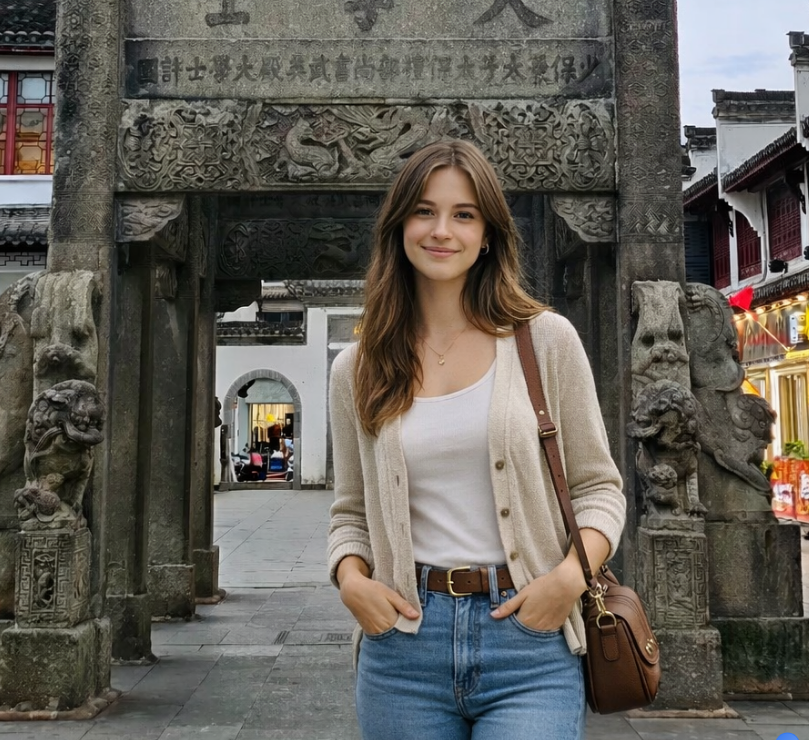
Huizhou Ancient City: Step Back in Time to China’s Living Museum of Huizhou Culture
This personal account takes readers on a journey through Huizhou Ancient City, one of China’s four great ancient cities in She County, Huangshan City, Anhui Province. With a history of over 2,200 years, the city is a living museum of Huizhou culture, featuring well-preserved Ming and Qing dynasty architecture (white walls, black tiled roofs, intricate wood carvings) and 8-kilometer-long ancient city walls. The author explores key sites: the magnificent South Gate, the historic Huizhou Government Office (a well-preserved ancient governance center), and the Feng Shui-inspired Chengkan Village. Along the way, the author interacts with locals, tries authentic Huizhou cuisine (braised pork, sesame cakes), and learns about Huizhou crafts (ink sticks, ink stones) and the region’s merchant history at the Huizhou Culture Museum. The narrative captures the city’s unique charm—where modern life coexists with historic traditions—and highlights its appeal to history and culture enthusiasts seeking an authentic glimpse into ancient Chinese life

Tianzhushan Scenic Area: Explore the Natural Wonders and History of China’s “First Mountain in the South of the Yangtze River”
This personal account takes readers on a journey through Tianzhushan Scenic Area, known as the “First Mountain in the South of the Yangtze River,” located in Qianshan City, Anhui Province. Covering over 486 square kilometers, the scenic area is famous for its dramatic granite peaks, including the 1,488-meter Tianzhu Peak (its symbol). The author recounts the challenging yet rewarding climb to Tianzhu Peak, exploring the maze-like Mysterious Valley with its wind-shaped granite rocks and hidden waterfalls, and witnessing the spectacular 100-meter Longtan Waterfall. The narrative also delves into the scenic area’s rich history, visiting the Tang Dynasty Chaotian Temple with its ancient carvings and stone inscriptions. The author enjoys delicious local cuisine made with fresh, regional ingredients (bamboo shoots, freshwater fish) and chats with local artists inspired by Tianzhushan’s beauty. Tianzhushan Scenic Area offers a perfect blend of adventure, history, and natural beauty, appealing to adventure seekers, culture enthusiasts, and anyone seeking peace in nature.
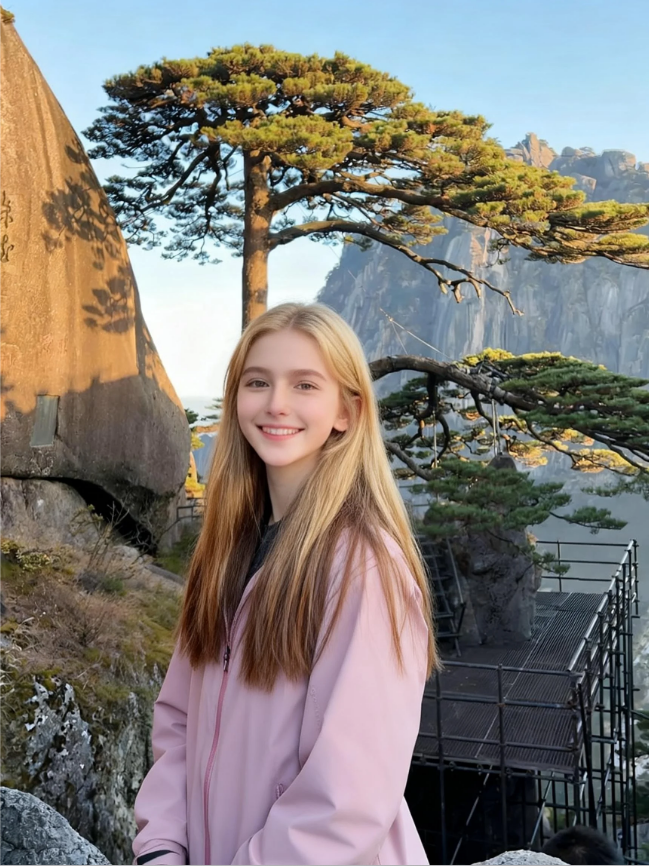
Huang Shan Mountain: My Unforgettable Journey Through China’s Iconic Peak
This personal narrative recounts a three-day journey to Huang Shan Mountain (Yellow Mountain), one of China’s most iconic peaks in southern Anhui Province. From the author’s childhood dream of visiting the mountain to the surreal experience of watching the dawn sea of clouds, the article captures intimate, firsthand moments: hiking cliffside plank roads, admiring the 800-year-old Welcoming Pine, and exploring ancient Taoist temples like Hongcun Temple. The author shares encounters with fellow travelers from around the world, bonding over shared views and stories, and delves into the mountain’s local cuisine—fresh bamboo shoots, steamed stone frog, and fragrant Huangshan Maofeng tea. More than a description of natural beauty, this article highlights Huang Shan Mountain’s ability to foster connection, inspire wonder, and offer moments of quiet reflection, making it a must-visit destination for anyone seeking an authentic Chinese travel experience.
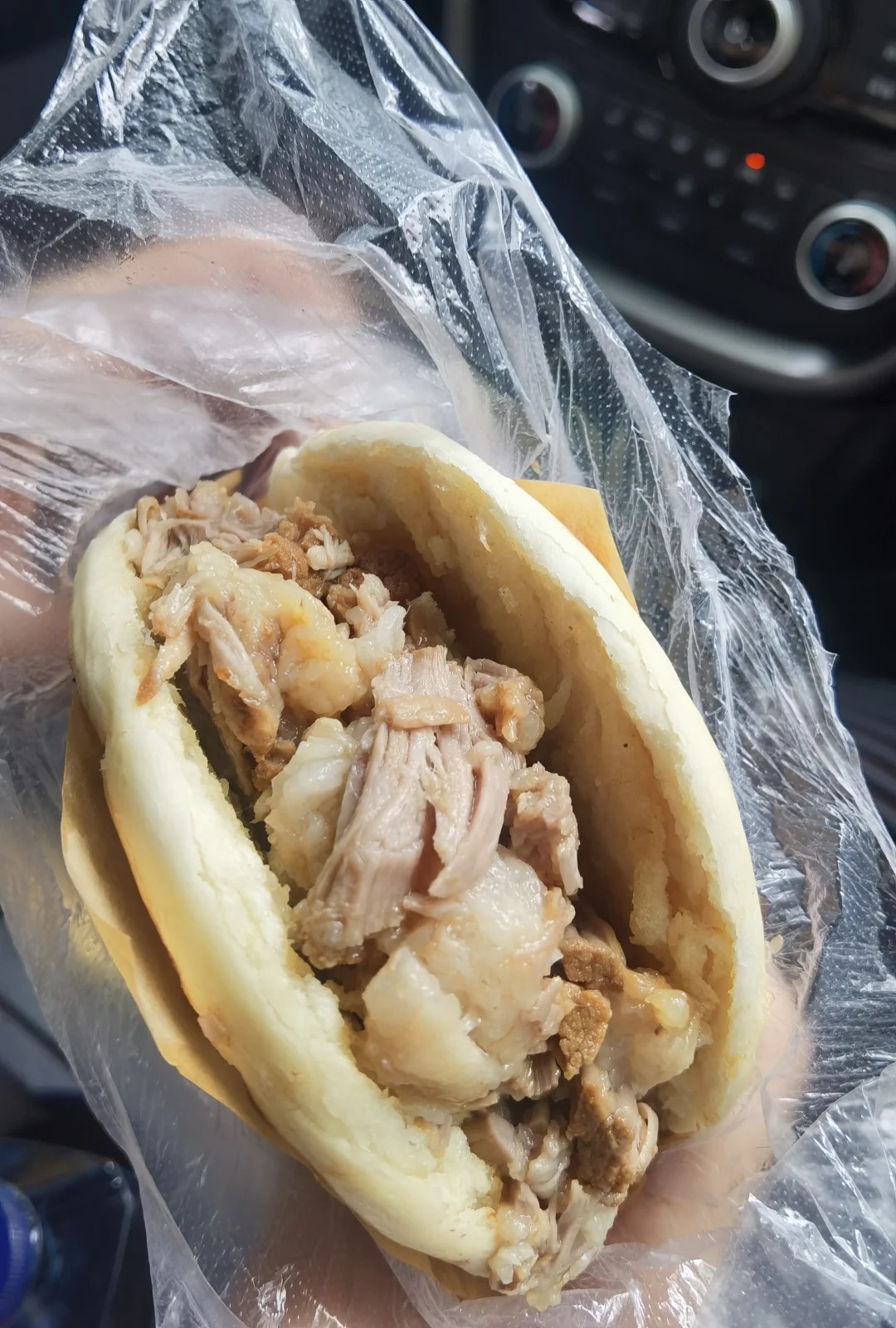
Xi'an Food Guide: 7 Must-Try Dishes & Local Tips Beyond the Muslim Quarter
If you think Xi’an is just about history, think again—it’s a paradise for food lovers, especially if you’re willing to wander beyond the tourist hubs. As the Silk Road’s starting point, Xi’an blends Middle Eastern spices with hearty wheat-based staples, creating a unique culinary scene that’s both bold and flavorful. Skip the overpriced main street of the Muslim Quarter and explore local alleys like Dapi Yuan or Sajin Qiao for authentic eats. From the crispy, meat-filled Roujiamo (often called the world’s oldest hamburger) to the wide, chili-topped Biangbiang noodles, each dish tells a story. Don’t miss the interactive Yangrou Paomo soup, cumin-spiced lamb skewers, refreshing Liangpi noodles, sweet Zenggao rice cake, and fresh pomegranate juice from nearby groves. For a stress-free experience, consider a guided food tour to uncover hidden family-run spots and savor Xi’an’s real flavors—ideally ending with a local beer by the ancient City Wall.